
Ms Tweedie
Plus, of course, links and links and links.

As you know Bob, one of my abiding fascinations is Isabella Bird, Victorian-era lady globetrotter.1
When you are a little bit obsessed with a Relatively Obscure Person of History, your friends—those same souls who have heard you go on (and on) about said ROPoH—point out spiritually (if not actually) related ROPoHs, if only to give you something else to talk about already.
Which is how I learned about Ethel Brillana Tweedie, a later Victorian-era lady globetrotter. 2
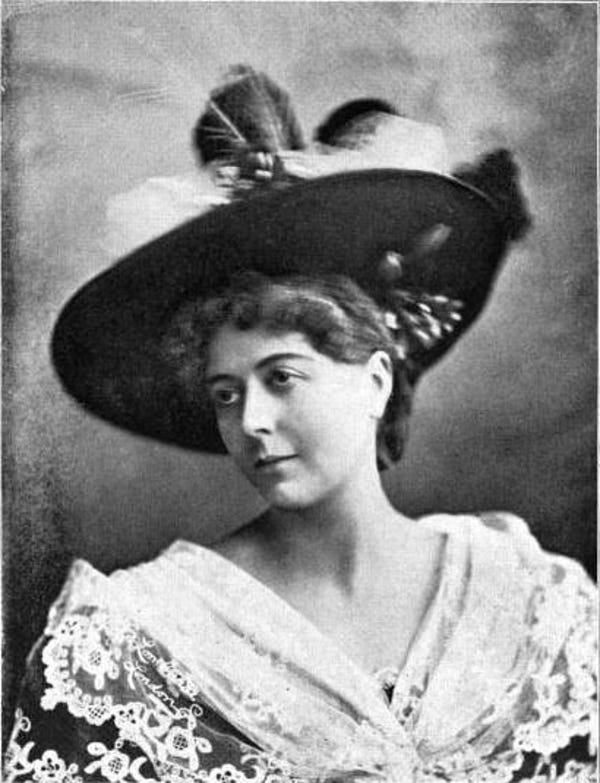
Tweedie and Bird were very different people. Ethel married at a socially appropriate age3 and had two sons. She was born into a decent amount of money and her husband was in the marine insurance business, just like his father before him. Unfortunately, all of that wealth was lost in some kind of marine insurance calamity, which was followed by his death, which was followed by Ethel being broke with young children. She had, however, a nascent writing career, which was just getting started when Bird’s was winding down.
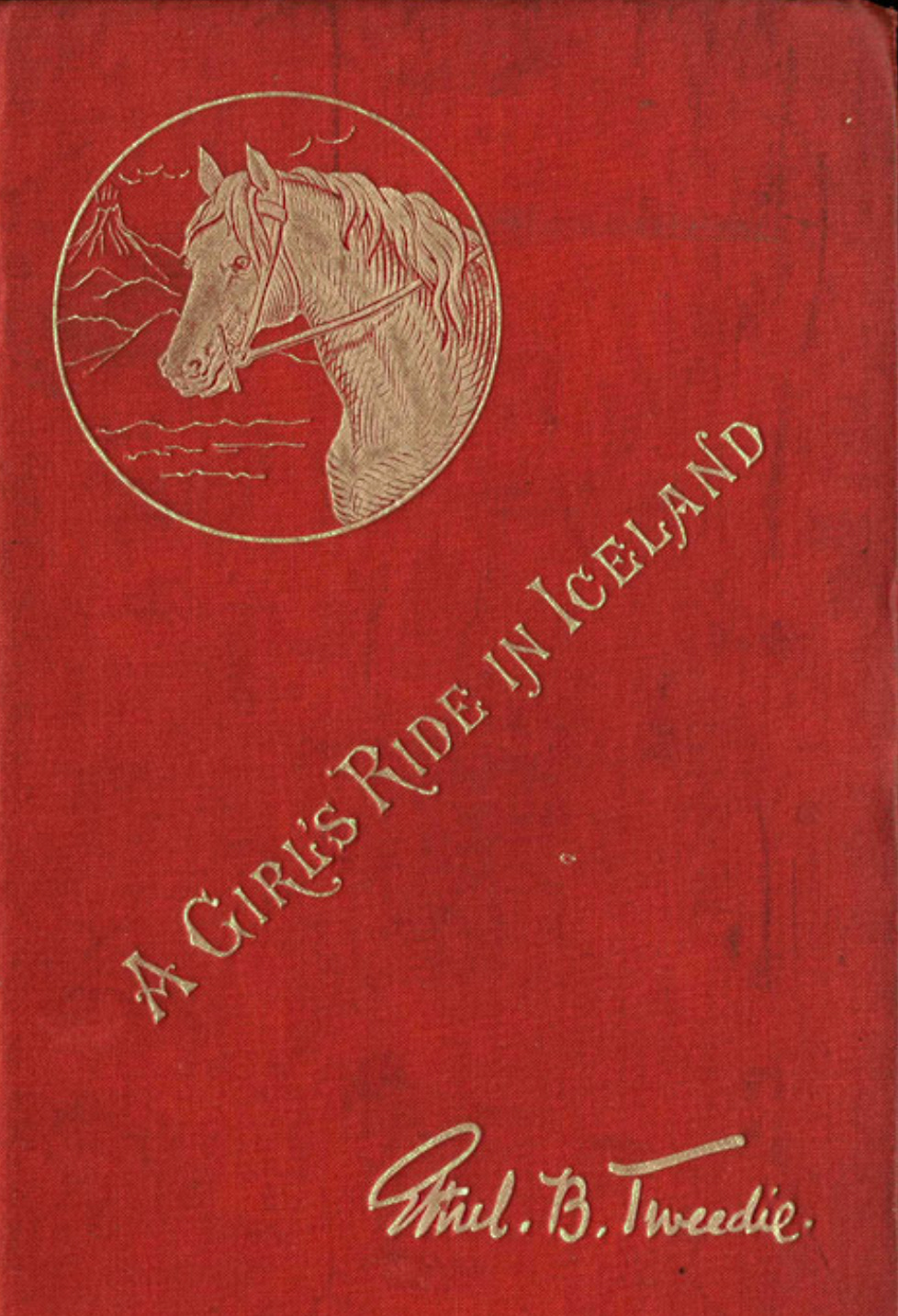
Tweedie’s first trip was to Iceland in 1886, when she was about 24 and unmarried (but her later husband was part of the traveling party, which I find absolutely fascinating. He was friends with Ethel’s brother, who was also with them. Quelle intrigue!).
Prompted by her father,4 Ethel kept a journal, which would later be published as A Girl’s Ride in Iceland in 1895. Her father wrote a very thorough appendix about geysers, in a style that makes you wonder if he was really into dinosaurs or trains as well because it is that level of granular.5
But this isn’t about him.
Even after the birth of her kids, Ethel kept traveling, first because she just enjoyed it; then because it’s how she made a living. At first, she stuck mostly to Scandinavia. But by the end of her life, she’d been to a fair chunk of the world. Maybe not as traveled in terms of variety as Bird—but still had a respectable and diverse tally.
Unlike Bird, Tweedie had interests beyond getting out of the U.K. for a bit. She was passionate advocate for women’s suffrage. She hosted dinners and salons. She painted. Hers was a life full of experiences, it seems. Where Bird felt stifled when at home; Tweedie made the most of the opportunity to pursue other interests.
But that is a much longer story for another time. Or not. We’ll see which way the wind blows.
However, some tidbits about Tweedie’s Iceland trip.
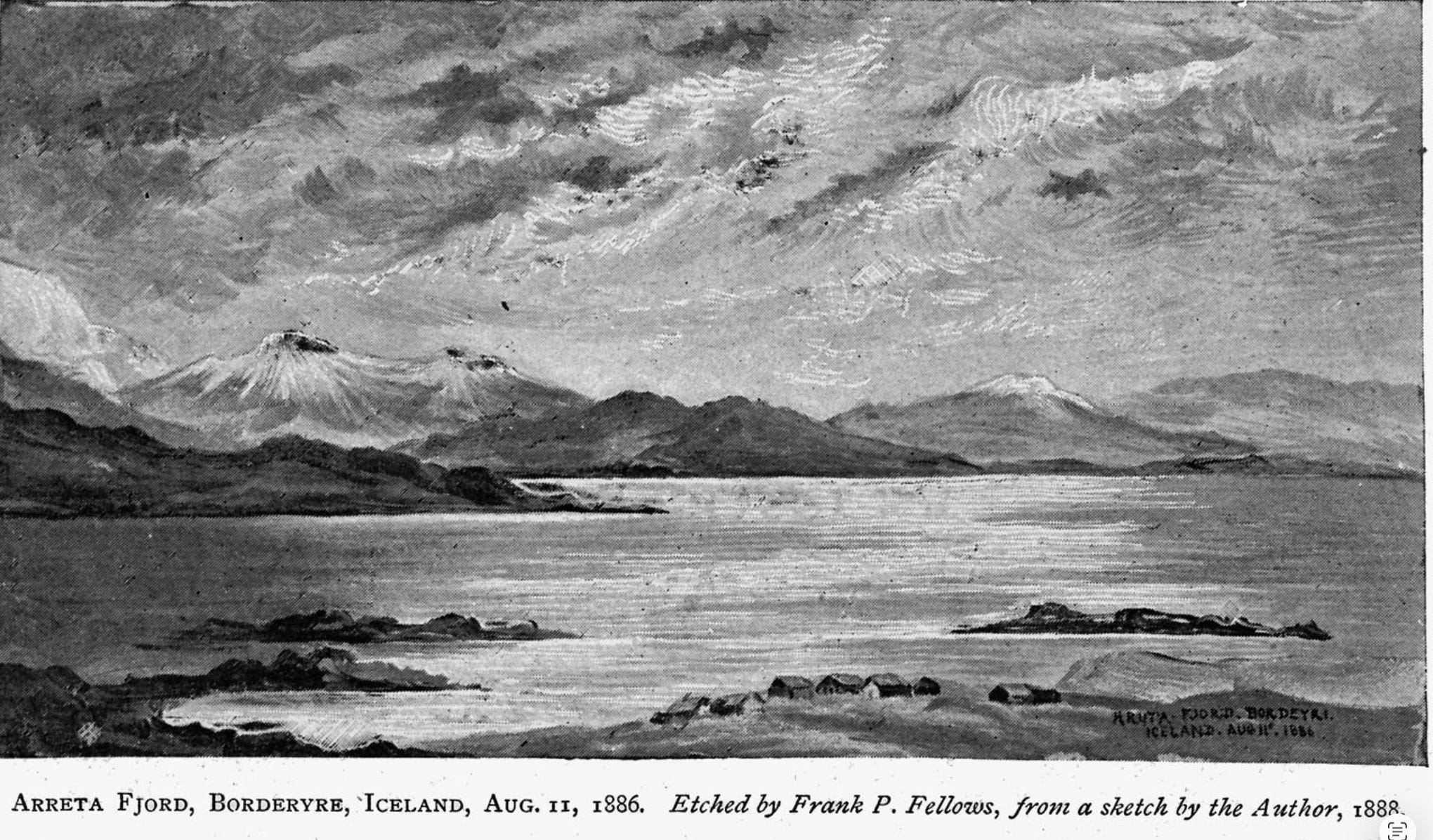
Ethel and the other four travelers departed by ship from Leith, just outside of Edinburgh. The trip was supposed to take about 3 and a half days but wound up taking ten. Seas were rough.
“On entering the Moray Firth the evening calm of the untroubled sea was exchanged for rough billows, and hour by hour we became more and more miserable, each alike in turn paying our tribute to Neptune, and truly realising the difference between a voyage in prospect and one in stern reality.”
They visited various ports of call—Akureyri, Reykjavik—and hopped on horses to visit the interior, including Geyser and Thingvellir, as well as local farms. She ate a lot of skyr and lamented the continual odor of decaying/drying fish. Mostly, however, she leaned into the adventure.
“Of course we were often placed in the queerest positions, over which we laughed heartily; for on starting we agreed that we would each and all make the best of whatever obstacles we encounter, and it is certainly no use going to Iceland, or any other out-of-the-way place, if one cannot cheerfully endure the absence of accustomed luxuries. Travellers not prepared to do this had better remain at home.”
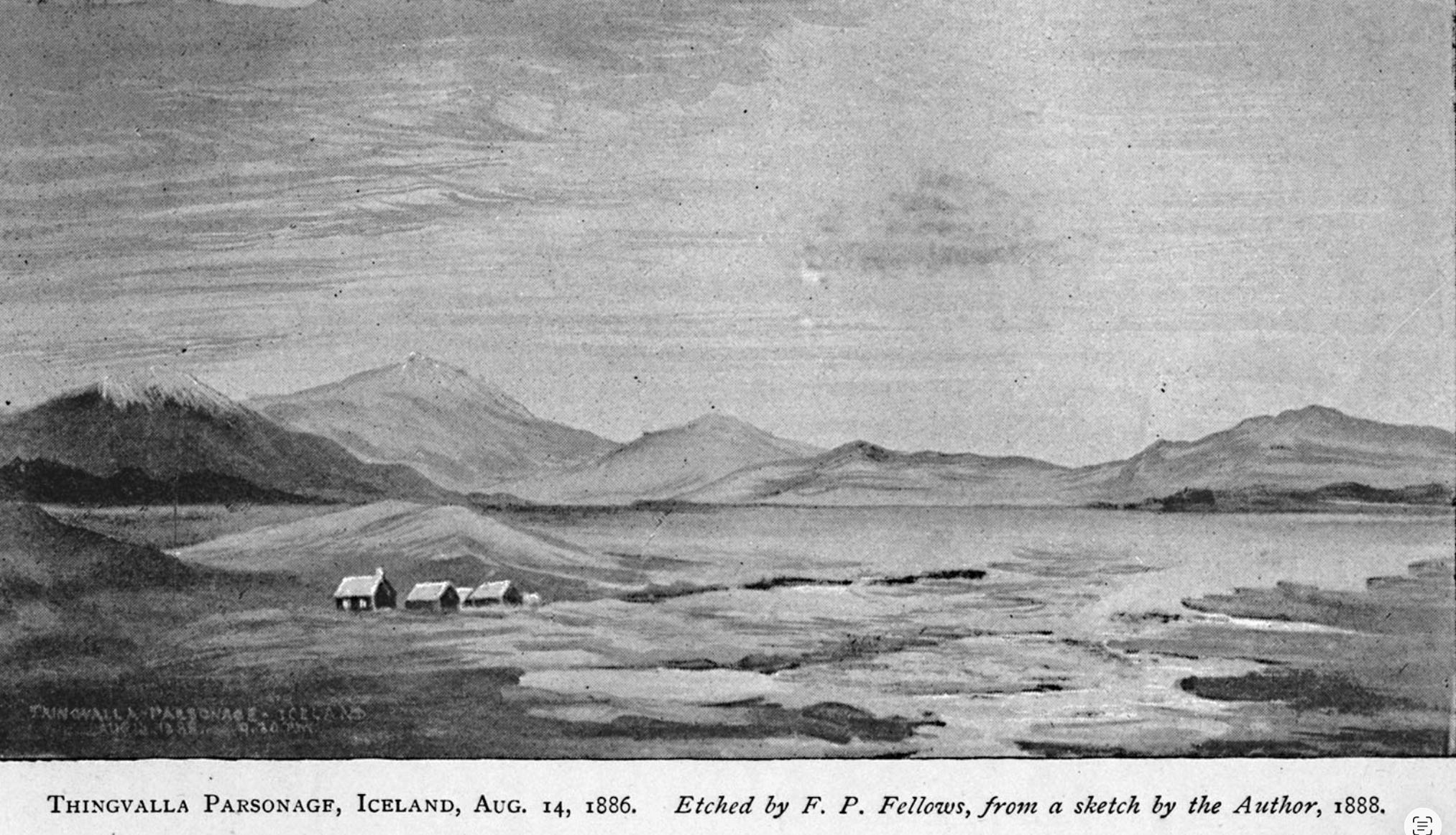
The version of Tweedie’s Iceland book that’s online is the 2nd edition, which came out five years after its debut. Ethel wrote a forward to the new edition full of updates and critical responses. Of most interest to me, maybe, is this:
“When this little volume (my maiden effort) was published five years ago, it unwittingly originated an angry controversy by raising the question ‘Should women ride astride?’6
“…Miss Bird, in her famous book of travels, tells us how terribly her back suffered from hard riding on a side-saddle, and how easily she accomplished the same distances when, disregarding conventionalities, she adopted a man’s seat.”
And, thus, this particular circle is closed.
The links:
Jane August made herself the job I now very much want.7
Speaking of the above: I literally went to the Merchant’s House Museum a week before this story was released. There was zero hint that such a cool piece of history was in the house, which brings me back to my belief that this could be such an amazing museum if someone sunk some money into its communications and installations.
More on the Willard Suitcases: on privacy and empathy and points in between.8
All you need is your Bradshaw’s guide.9
The font is the clue.
Just when I thought I couldn’t love Betty Gilpin more.
My next cross-stitch project.
If you have loved a dog; if you are finding it hard to close a chapter to move into the next...
What do you lose when you censor history?10
One of my other abiding fascinations is Iceland. This will be relevant in a minute.
Thanks Heather.
It is unclear if she enjoyed being married, mind.
who was Scottish and a physician
you know, like some of us are about 19th century female explorers.
Heaven forfend a woman could ride a long distance safely. Think of the children.
I’d have to figure out TikTok and that is a bridge I will not cross.
hat tip to Melanie Springer Mock
I still don’t understand why the Victorians were so obsessed with portable bathtubs, tho. Related: Ethel Tweedie was invited to see a cadre of Antarctic explorers off and one of them refused to travel without his portable bath. I remain baffled (bath-eld?).
Also: blackface and minstrel shows are one of those topics that I’m fascinated by, mostly because they were still around when I was a kid, even though they feel very much a thing of the past. (This may be because I’m older than I think I am but to you I say shhhh.)
"She ate a lot of skyr and lamented the continual odor of decaying/drying fish." 💀 Pretty sure I said the same thing my first time in Iceland - but you stop noticing the fish once you notice the rotten-egg smell of sulfur in the water... It's still wonderful regardless - one of my favorite countries.
As usual, this whole post was a delight.